

For many manufacturers, a labeling line upgrade starts with a simple goal: improve efficiency.
But upgrading a labeling system is more than replacing equipment. The right decision can increase throughput, reduce waste, and support long-term production growth. The wrong decision can introduce downtime, integration challenges, and unnecessary costs.
Before investing in a new labeling solution, smart manufacturers step back and evaluate how the upgrade will affect their entire production line.
Here are five critical questions every production, engineering, and procurement team should ask before upgrading their labeling system.
Many labeling upgrades are driven by increased demand, new product lines, or expanded SKUs.
The key question is not just whether a machine can meet today’s production needs, but whether it can support future growth.
Consider:
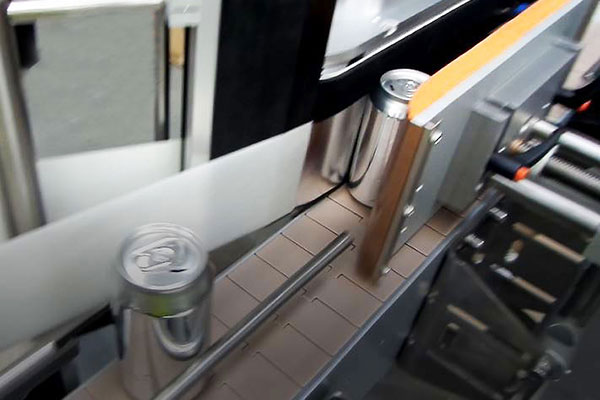
A scalable labeling system should be able to adapt to changes in throughput, packaging formats, and product variation without requiring another major upgrade in the near future.
Forward-thinking manufacturers prioritise flexibility and modularity when selecting new equipment.
A labeling machine rarely operates in isolation.
It must work seamlessly with:
If integration is overlooked, production teams may face:
Before upgrading, manufacturers should ensure the new system has been evaluated within the context of the entire production line, not just the labeling station.
Successful upgrades prioritise smooth integration and minimal disruption to production.
The purchase price of equipment is only part of the investment.
The total cost of ownership (TCO) includes factors such as:
Sometimes a lower-cost machine can become more expensive over time due to higher maintenance needs or lower reliability.
Evaluating long-term operational costs ensures manufacturers select equipment that delivers sustainable performance and value.
Production interruptions during installation can quickly affect delivery schedules and operational efficiency.
Before upgrading a labeling line, manufacturers should consider:
A well-planned installation should minimise downtime and ensure the system is fully operational as quickly as possible.
Working with experienced integration partners can significantly reduce installation risk.
Even the most reliable equipment requires ongoing support.
Access to technical expertise, spare parts, and preventative maintenance services can have a major impact on long-term performance.
Manufacturers should evaluate:
A strong support network ensures the labeling system continues to operate efficiently throughout its lifecycle.
Upgrading a labeling line is not just an equipment decision — it is an operational strategy.
When approached correctly, the right upgrade can deliver measurable improvements in:
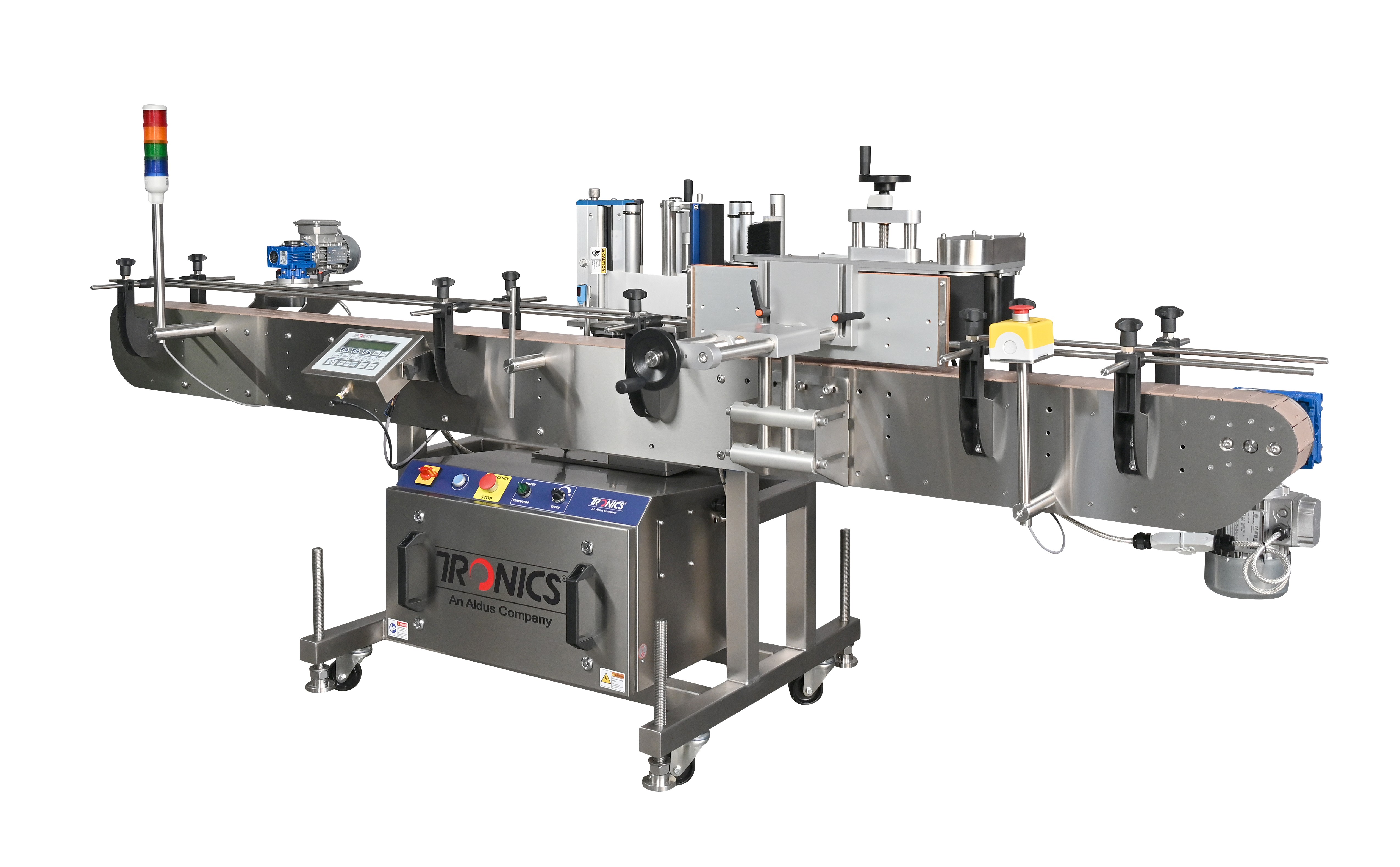
Manufacturers who evaluate upgrades strategically are better positioned to improve productivity without introducing unnecessary complexity into their production environment.
Every production environment is different. Packaging formats, line speeds, and integration requirements vary significantly between industries and facilities.
That’s why a tailored evaluation process is essential before upgrading labeling systems.
At ALDUS™ Tronics, we work with manufacturers across the United States, Australia & New Zealand to assess existing labeling setups and recommend solutions that improve performance while supporting future growth.
Our goal is to ensure labeling upgrades enhance production efficiency — not disrupt it.
👉 If you're considering upgrading your labeling line, our team can help review your current setup and identify opportunities to improve reliability, scalability, and performance.


