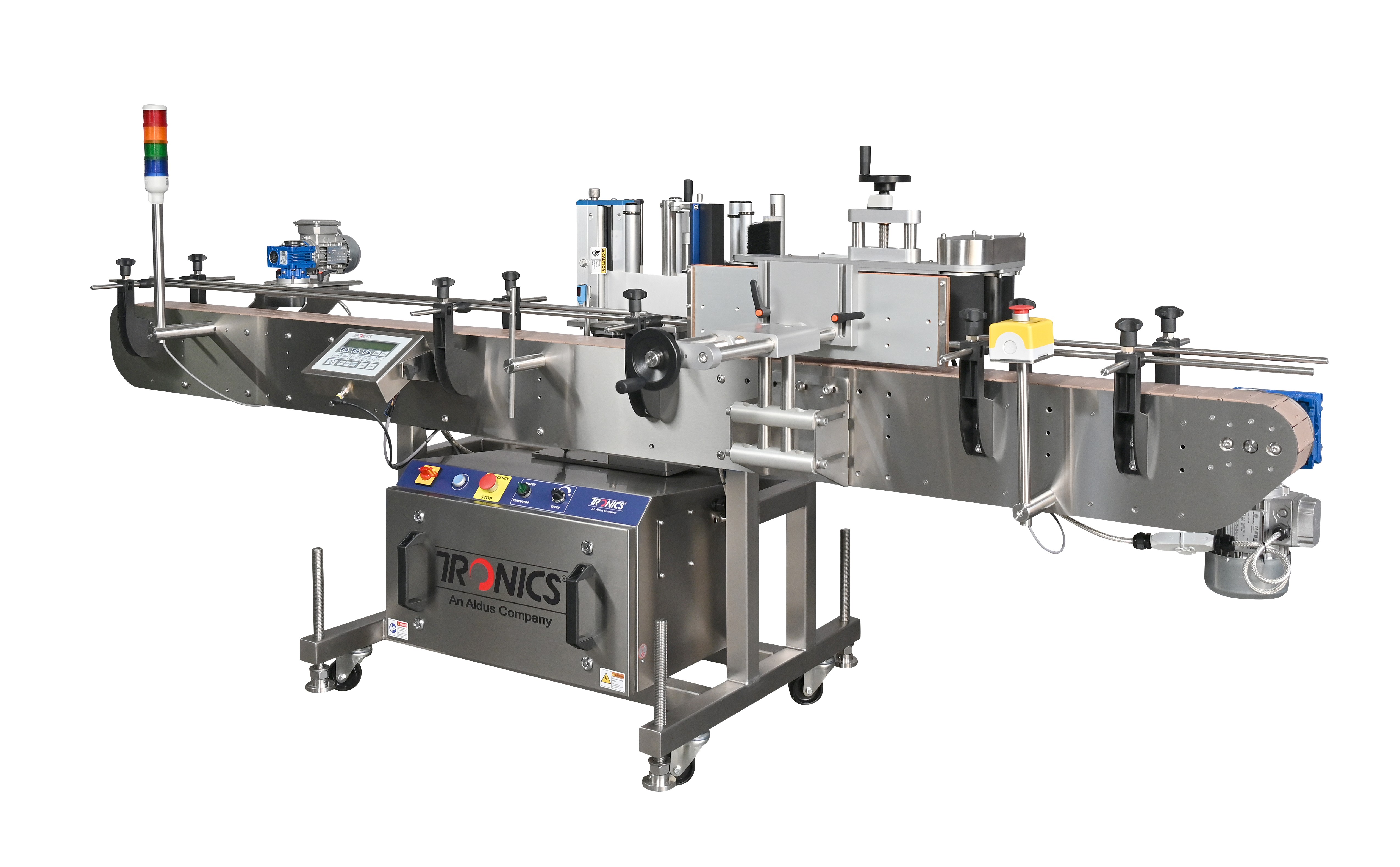

Sustainability is now a major focus across manufacturing industries.
Many companies are transitioning toward:
Traditional packaging materials were often more rigid and predictable.
New sustainable materials can introduce:
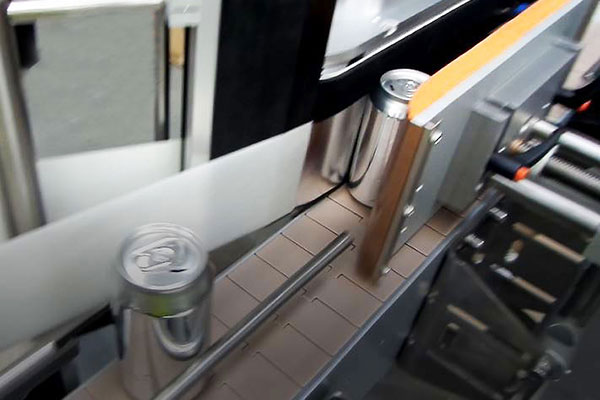
These changes can affect:
✔️ Label placement accuracy
✔️ Application consistency
✔️ Production speed
✔️ Waste levels
✔️ Downtime frequency
Without proper system optimization, these issues can reduce overall production efficiency.
Forward-thinking manufacturers are improving performance through:
Labeling systems must now support a wider range of packaging formats while maintaining:
Sustainable packaging often requires more than simply changing label materials.
Manufacturers should evaluate:
A well-integrated labelling solution helps reduce:
Does sustainable packaging affect label adhesion?
Yes. Recycled and lightweight materials can create surface inconsistencies that affect adhesion and application performance.
Can existing labelling systems handle sustainable packaging?
Some systems can, but many require adjustments, upgrades, or optimization to maintain reliable performance.
Why does lightweight packaging create labelling issues?
Lighter containers may move more during application, increasing the risk of inconsistent placement.
How can manufacturers improve labelling reliability?
Proper system integration, testing, maintenance, and packaging-specific optimization are critical.
As packaging requirements continue to evolve, manufacturers need labelling systems designed for flexibility, reliability, and scalability.
ALDUS™ Tronics helps manufacturers adapt to changing packaging demands while maintaining efficient production performance.
Contact our team to discuss your packaging and labelling requirements.