

When manufacturers look for ways to increase production, the first instinct is often to increase line speed.
It seems logical: run the equipment faster and produce more products.
But in reality, maximum speed doesn't always equal maximum output.
Many of the highest-performing production lines aren't the fastest—they're the most consistent.
They spend less time stopping, less time waiting for operator intervention, and less time recovering from small interruptions that quietly reduce productivity throughout the day.
Improving manufacturing throughput isn't always about running faster.
Often, it's about stopping less.
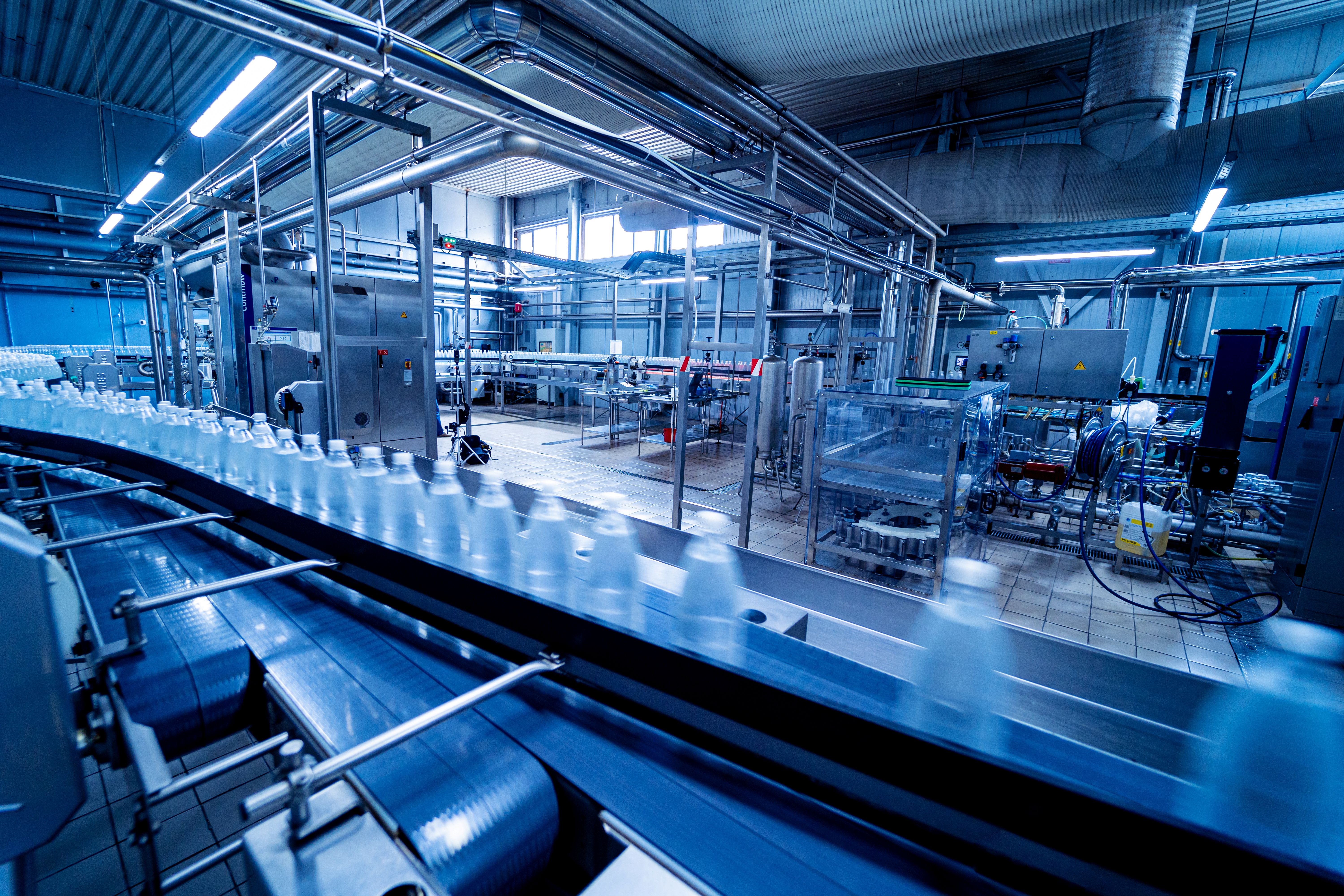
Production Speed
Manufacturing Throughput
Measures how fast equipment can operate
Measures how much product is successfully produced
Focuses on maximum machine capability
Focuses on real production output
Doesn't account for interruptions
Includes downtime, waste and delays
Often measured in units per minute
Measured by consistent production over time
For most manufacturers, improving throughput delivers a far greater return than simply increasing line speed.
When people think about downtime, they often imagine a complete production shutdown.
However, many productivity losses come from something much smaller.
These are known as micro-stoppages.
Micro-stoppages are brief interruptions that may only last a few seconds or minutes but occur repeatedly throughout a production shift.
Examples include:
Individually, they don't seem significant.
Collectively, they can reduce production output by hours every week.
Small interruptions create a ripple effect across the entire production line.They can lead to:✔ Reduced throughput✔ Increased labour costs
✔ More operator intervention
✔ Higher product waste
✔ Increased equipment wear
✔ Delayed production schedules
Because these interruptions happen so frequently, they're often accepted as "just part of manufacturing."
The reality is they're often one of the biggest opportunities for improving efficiency.
OEE Component
Impact of Micro Stoppages
Availability
Frequent interruptions reduce operating time.
Performance
Equipment runs below optimal efficiency.
Quality
Inconsistent production increases waste and rework.

Many hidden production losses originate from small process inefficiencies rather than major equipment failures.
Common causes include:
These issues may appear minor individually, but together they can significantly reduce manufacturing efficiency.
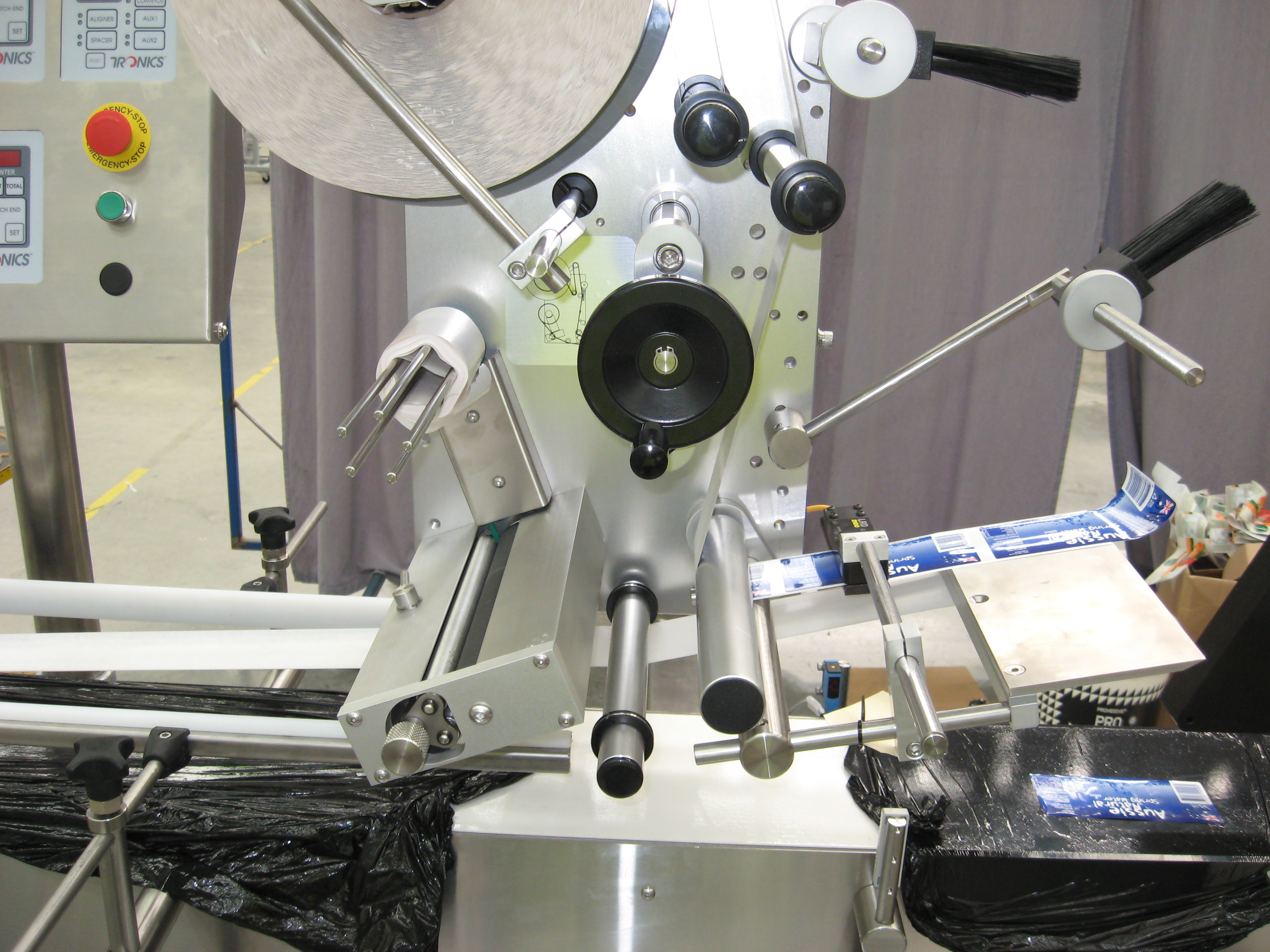
Labelling is often one of the final stages in the production process.
If the labelling system becomes inconsistent, it can affect the entire production line.
Reliable labelling helps manufacturers:
When integrated correctly, automated labelling systems become an important contributor to overall production efficiency, not just product identification.

Manufacturers looking to improve production performance should focus on consistency rather than simply increasing speed.
1. Monitor recurring interruptions
Small delays often reveal the biggest opportunities for improvement.
2. Reduce manual intervention
Automation should simplify operations, not create additional adjustments.
3. Invest in preventative maintenance
Regular servicing helps identify issues before they affect production.
4. Optimise equipment integration
Well-integrated systems reduce bottlenecks across the production line.
5. Measure overall performance—not just speed
Track throughput, downtime, changeovers and OEE to gain a complete picture of production efficiency.
Does increasing production speed always improve throughput?
No. Increasing machine speed without addressing downtime, changeovers and production interruptions can actually reduce overall throughput.
What are micro-stoppages?
Micro-stoppages are short production interruptions—such as operator adjustments, sensor resets or small jams—that reduce manufacturing efficiency without causing a complete line shutdown.
Why are micro-stoppages difficult to identify?
Because they often last only a few seconds, they may not be recorded as downtime. However, when repeated throughout the day, they can have a significant impact on production output.
How does reliable labelling improve manufacturing efficiency?
Reliable labelling reduces operator intervention, improves consistency, minimises waste and helps maintain continuous production, all of which contribute to higher throughput.
What is the difference between throughput and production speed?
Production speed measures how fast equipment can operate, while throughput measures how much quality product is successfully produced over time. Throughput provides a more accurate picture of manufacturing performance.


